
PZ Cussons discusses investment and local supply chains with Indonesia’s Ministry of Industry
PZ Cussons has reaffirmed its commitment to growing its business in Indonesia during a meeting with the country’s Ministry of Industry on 11 November 2026. Jonathan Myers, Chief Executive Officer of PZ Cussons, and his team met Dr. Ir. Taufiek Bawazier, M.Si., Director General of Chemical, Pharmaceutical and Textile Industries (IKFT), and Ministry officials to discuss investment, local supply chains and opportunities to support Indonesia’s manufacturing sector.
The discussions focused on the cosmetics and home care industries, including increasing the use of locally sourced raw materials and packaging, encouraging environmentally sustainable investment and strengthening Indonesia’s role in global supply chains. The Director General highlighted the importance of collaboration between government and industry in building a robust and competitive manufacturing sector.
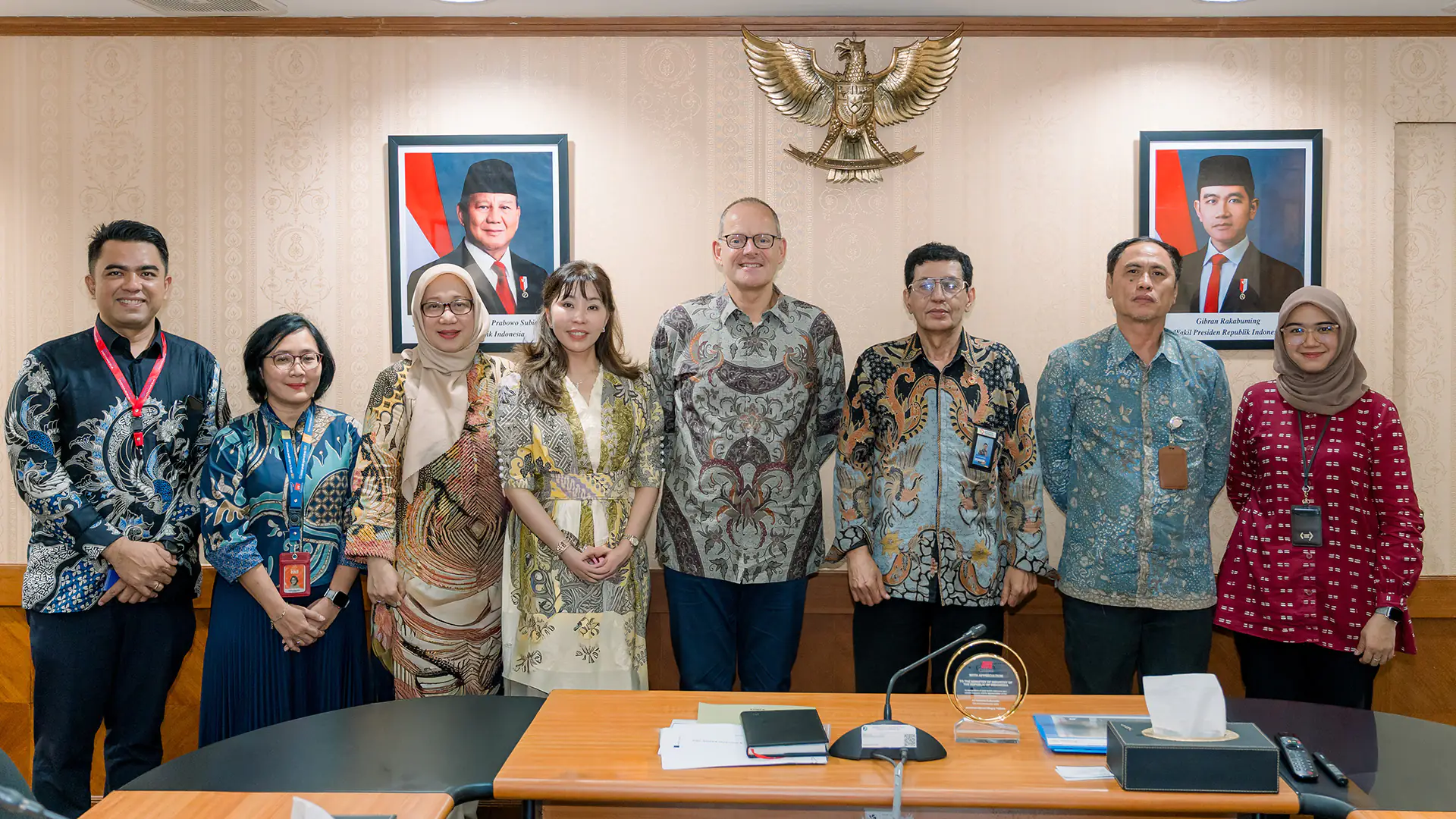

The Ministry welcomed PZ Cussons’ investment plans for new products to strengthen Indonesia’s manufacturing base and complement the company’s production lines. Dr. Ir. Taufiek Bawazier, M.Si., said: “The government is ready to support the development of domestic manufacturing through available fiscal incentives to encourage innovation in high-value-added products.”
PZ Cussons has operated in Indonesia since 1988 and regards the country as one of its priority markets. Our brands holding leading market positions, including Cussons Baby and Imperial Leather. All PZ Cussons products sold in Indonesia are manufactured locally, supported by production and research and development (R&D) facilities in Tangerang. The business also exports to countries across Asia, Europe, Africa, the Middle East and Australia.
The meeting is expected to strengthen the relationship between PZ Cussons and the Ministry and create further opportunities for collaboration. Continued growth in Indonesia could help develop local manufacturing capacity, increase local sourcing and support the adoption of new industrial technology. It could also create employment opportunities, develop local talent and expand domestic and export markets, contributing to the competitiveness and sustainable development of Indonesia’s manufacturing sector.