

Minimizing our
Environmental
Impact
We are committed to minimising our impact on the Earth and oceans. We do this by reducing our carbon emissions, making responsible sourcing decisions and managing our packaging, waste, and water use. We measure, manage and report our performance in the areas that matter most to our business and where we can have the most significant environmental impact.
OUR PLASTIC AND PACKAGING GOALS
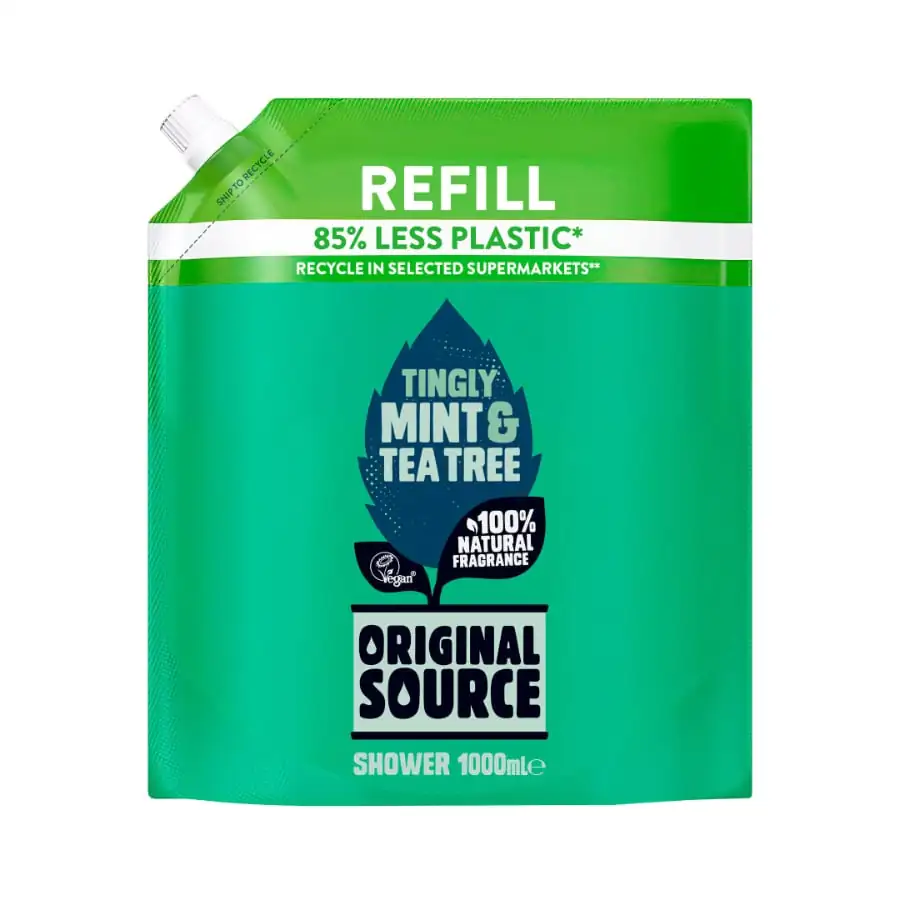
Packaging is a key sustainability priority for PZ Cussons and a material area of focus for our stakeholders. Reducing the environmental footprint of our packaging is both a responsibility and a challenge for a global consumer goods business.
Plastic remains our most significant packaging material and addressing its impacts is central to our strategy. We are working to reduce our reliance on virgin plastic by designing packaging that uses less material, increasing the use of recycled content and improving recyclability across our portfolio.
To drive meaningful change, we embed sustainability led criteria into our product development and innovation funnel, applying our Better by Design principle to ensure packaging improvements are considered from the very start.
Alongside plastic, paper is another important material in our packaging mix. We are taking steps to increase the proportion of certified or recycled paper used each year. Certified paper comes from responsibly managed forests – including schemes like FSC and PEFC – while recycled paper helps conserve valuable natural resources and reduces pressure on forest ecosystems.
Together, these measures help mitigate the risk of materials originating from unacceptable sources and support more responsible sourcing across our supply chain.

33% Reduction in virgin plastic in our packaging by 2030 (vs 2021 baseline)

100% recyclable, reusable or compostable packaging by 2030

100% certified or recycled paper by 2025
OUR CARBON AND CLIMATE GOALS
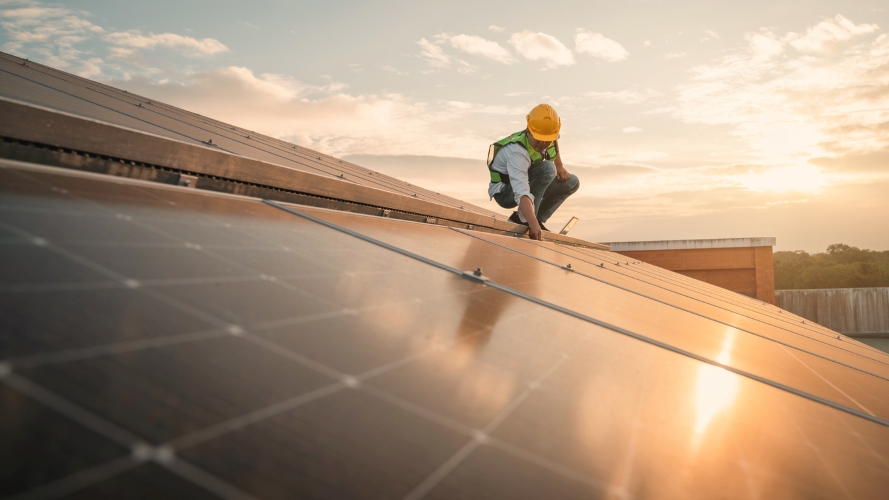
Reducing carbon emissions is a priority for our business. Through our continuous improvement programme in our factories and facilities, we continue to incorporate energy reduction initiatives across our sites. We have set ambitious carbon reduction targets for the business, reflecting our ongoing commitment to addressing the climate crisis.
All our global operations are now carbon neutral, achieved through a combination of improved energy efficiency, a transition to renewable electricity, and the purchase of Gold Standard VER carbon offsets that support transformative projects in Nigeria and Indonesia.
We have been measuring our Scope 1 and 2 emissions (direct emissions from our operations and the energy we purchase) for several years and are implementing plans to reduce them in line with science-based targets by 2030.
We have also completed a comprehensive Scope 3 assessment, mapping our extended carbon footprint to identify key reduction opportunities and chart the pathway to our ambition of reaching net zero by 2045.
Carbon neutrality in our operations

42% Reduction in Scopes 1 & 2 carbon emissions by 2030

Achieve net zero emissions across Scopes 1, 2 & 3 by 2045
We aim to reduce the amount of solid waste sent to landfill year-on-year, and all our factories and locations have waste reduction programmes in place. We study and map our landfill waste and then use a standard waste hierarchy tool to identify improvement actions, which are implemented via our continuous improvement programme.
-
Zero waste to landfill by 2030 (in countries where infrastructure exists)
Reducing the amount of water we use is important. We have a continuous improvement programme in place to ensure we are using it effectively.
-
30% water intensity reduction by 2030 (vs 2021 baseline)
We purchase and source raw materials that, in some cases, impact on biodiversity and forests. Our most significant purchases are paper-based materials and palm oil. We have made commitments on both areas.
Pursuing our palm oil target means selecting producers whose operations have been independently verified compliant with No Deforestation, No Peat, No Exploitation (NDPE) standards.
We continue to monitor our performance using Starling satellite data and strive to improve our performance by working with partners like Earthworm Foundation. We publish an annual Palm Oil Progress Report that builds on the commitments we made and our continued membership of the Roundtable on Sustainable Palm Oil (RSPO)
While we use less than 0.001% of the world’s supply of palm oil, we hold ourselves accountable for the palm oil we source and we hope to play our part in the overall reform of the industry.
-
Continue to use 100% responsible palm oil (no deforestation, no peat or exploitation)
-
Continue to source 100% certified or recycled paper